GEOTECHNICALENGINEERING
ST. JOHNS NEWFOUNDLAND
HomeLaboratoryAtterberg limits

Atterberg Limits Testing in St. John's, NL

Sound ground. Sound decisions.

LEARN MORE

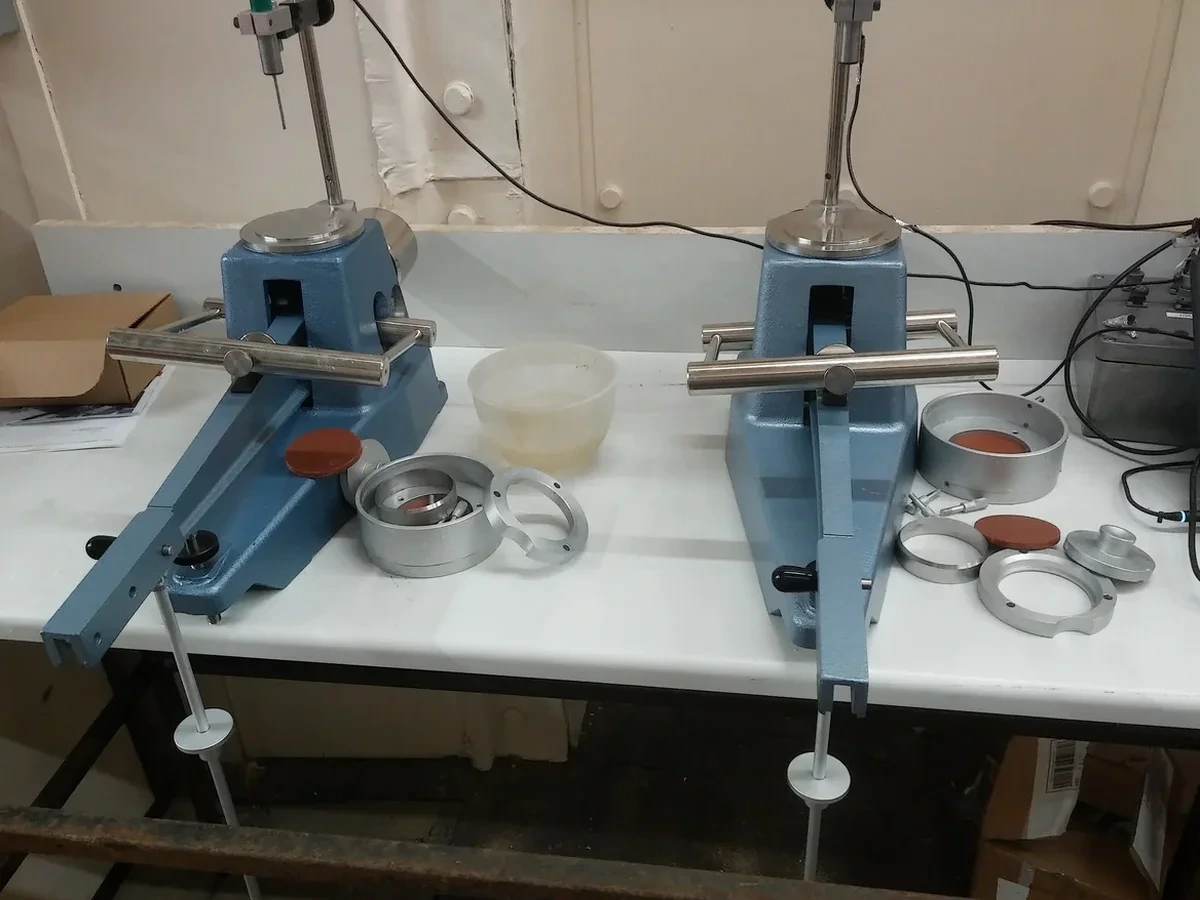
The marine clays underlying much of St. John's don't behave like ordinary soil. Winter freeze-thaw cycles and persistent coastal moisture push these fine-grained sediments right to their plastic limit. Our lab runs Atterberg limits testing on samples from the Avalon Peninsula every week. We measure liquid limit, plastic limit, and plasticity index according to ASTM D4318. The results tell you exactly how sensitive the formation is to water content changes. In a city where 100,000 people live on bedrock-controlled terrain, understanding the few pockets of thick overburden is critical. When the Casco and Cochrane Street cuts expose silty till, the Atterberg values determine whether a slope stability analysis flags a risk or not. We process samples within 48 hours because construction schedules in Newfoundland don't wait for thaw.

A plasticity index above 30 in St. John's marine clay means you're dealing with high-shrinkage soil — standard compaction won't fix it.
Our service areas

How we work

St. John's grew along a sheltered harbour where glacial and marine deposits interleave in complex sequences. Early builders learned fast: the same clay that stands firm in August can flow after a November rainstorm. Atterberg limits quantify that transition. The liquid limit marks the water content where soil becomes a viscous fluid. The plastic limit is where it crumbles instead of rolling into a 3 mm thread. The gap between them, the plasticity index, correlates directly with the clay mineral activity — and in St. John's, that means smectite-rich units that swell and shrink aggressively. For foundation design in the Kenmount Road corridor, these numbers feed directly into bearing capacity estimates and mat foundation sizing. We see plasticity indices from 12 up to 45, and each jump of ten points changes the entire ground improvement strategy.
Atterberg Limits Testing in St. John's, NL
Technical reference — St. Johns Newfoundland

Local geotechnical context

The National Building Code of Canada 2020 references Atterberg limits indirectly through foundation design requirements, especially on sites with potentially expansive or collapsible soils. In St. John's, the risk is acute. The city averages 1,500 mm of precipitation annually, and the winter brings 80-100 freeze-thaw cycles. Each cycle remolds the near-surface clay structure. Without a plasticity index determination, a designer might specify a footing width based on drained strength that doesn't exist in spring. We've seen excavations where contractors assumed a stiff clay till based on a pocket penetrometer reading, only to hit a smectite seam with a PI of 40. The cost to rectify that mistake far exceeds the cost of a simple test pit sampling program plus Atterberg limits on the critical layers. For buried infrastructure along Water Street, differential movement from swelling clays has historically cracked sewer laterals. The Atterberg data provides the first quantitative warning.

Need a geotechnical assessment?

Reply within 24h.

Email: [email protected]

Relevant standards

ASTM D4318-17: Standard Test Methods for Liquid Limit, Plastic Limit, and Plasticity Index of Soils, ASTM D2487: Standard Practice for Classification of Soils for Engineering Purposes (Unified Soil Classification System), CSA A23.3: Design of Concrete Structures (references to expansive soil mitigation)

Typical values

ParameterTypical value
Liquid Limit (LL)35-78 (marine clay, St. John's)
Plastic Limit (PL)18-32 (typical range)
Plasticity Index (PI)12-45 (low to high plasticity)
Test standardASTM D4318-17
Sample mass required200 g (passing No. 40 sieve)
Turnaround24-48 hours (expedited available)

Questions and answers

What is the typical cost for Atterberg limits testing in St. John's?

For a standard liquid and plastic limit determination with plasticity index, the cost ranges from CA$90 to CA$140 per sample. Multi-point liquid limit testing or remolded comparisons fall at the upper end of that range. We provide volume discounts for projects with more than 10 samples.

How much soil do you need for an Atterberg limits test?

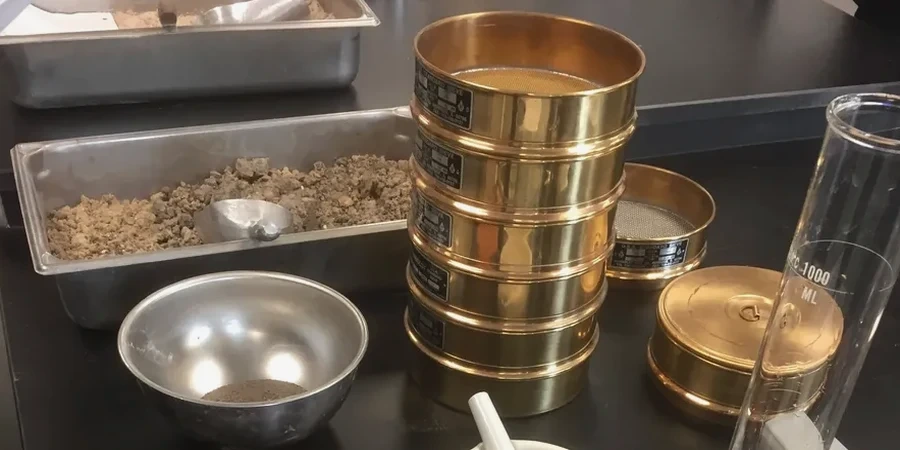
We need a minimum of 200 grams of material that passes the No. 40 (425 µm) sieve. The sample should be representative of the fine fraction, not the bulk material. If you send a larger bag, we'll process it through the sieve in our lab at no extra charge.

Why do Atterberg limits matter for foundations in St. John's?

The marine clays here contain active smectite minerals. A high plasticity index means the soil will shrink and swell with seasonal moisture changes. That differential movement can crack slabs and distort footings. Atterberg limits classify the soil and trigger specific design provisions under the NBCC for expansive soils.

How fast can I get results?

Standard turnaround is 24 to 48 hours from sample receipt. We can expedite to same-day results if samples arrive before 10 AM. The test itself is relatively quick; the limiting factor is the overnight drying required for the liquid limit preparation.

Do you pick up samples from drill sites around St. John's?

We coordinate with local drilling contractors for sample pickup across the St. John's metro area, from Mount Pearl to Torbay. Give us the site address and we'll arrange collection. We also accept samples dropped off at our lab during business hours.

Location and service area

We serve projects in St. Johns Newfoundland and surrounding areas.

View larger map