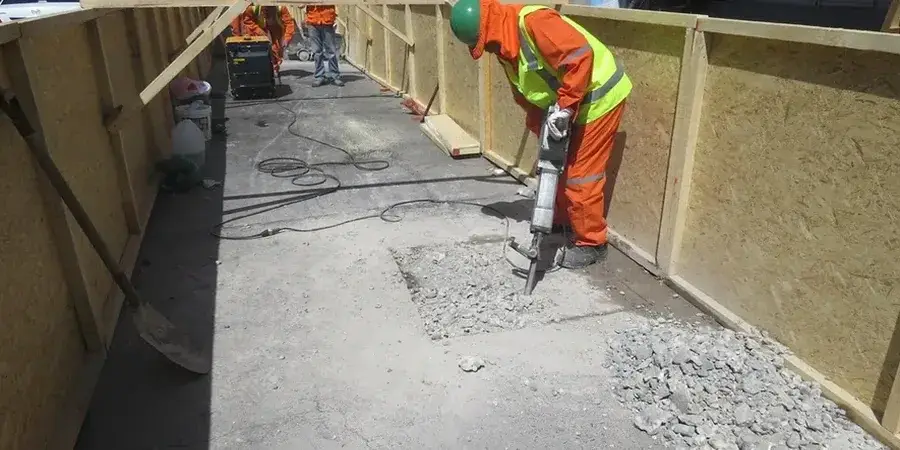
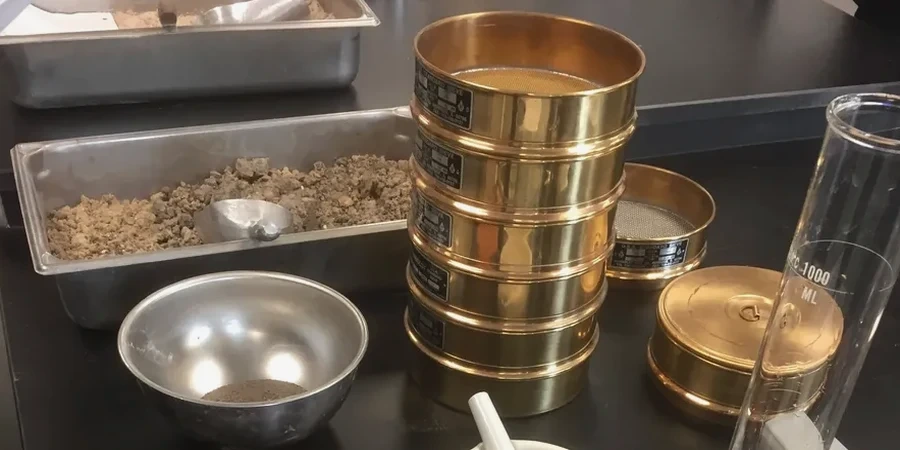
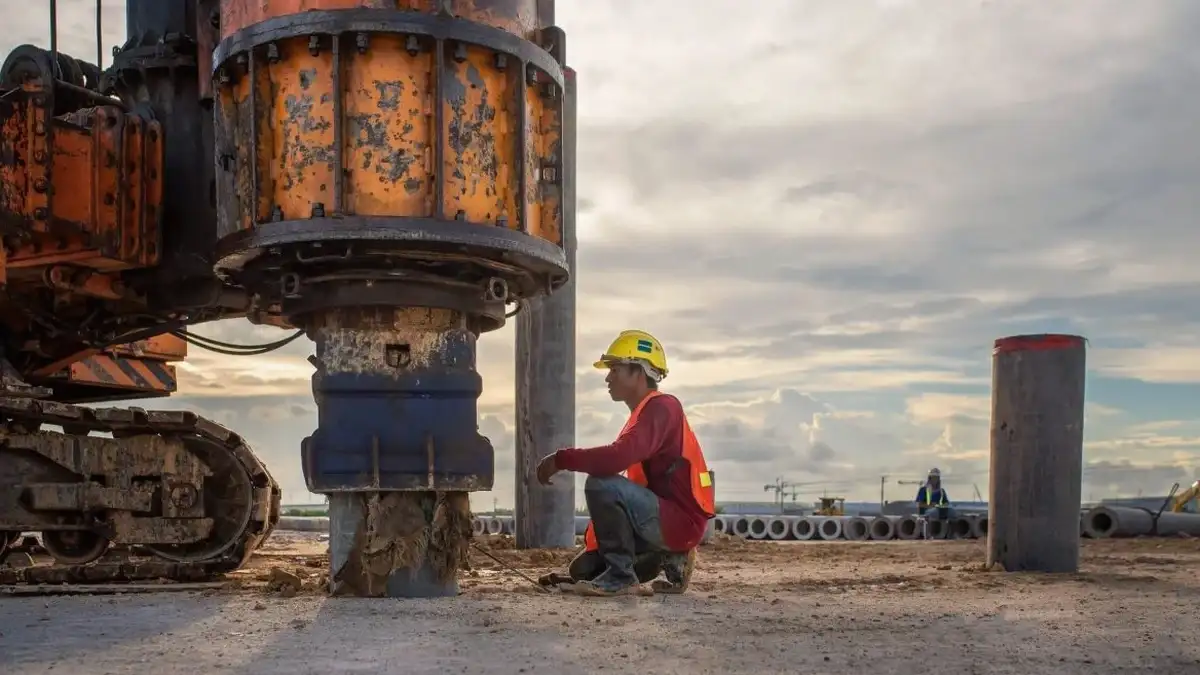
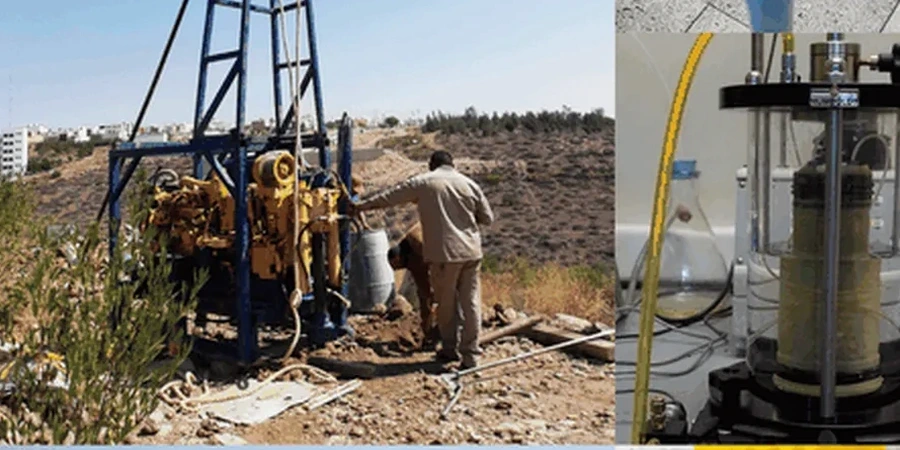
The bedrock beneath St. John's sits near the surface across much of the downtown, but the fill and glacial till layers that overlie it tell a different story. The city's harbor has been reshaped by centuries of infill activity, leaving loose granular deposits that can settle abruptly under load. High water tables, typical within two to three meters of grade across the Waterford Valley, complicate any densification effort. In our work across St. John's, we see that a standard penetration test program is the logical first step to map these problem zones before any vibro design begins. Then, grain-size analysis confirms whether the gradation falls within the treatable range for depth vibrator equipment — a critical filter that avoids expensive field trials on unsuitable silts.
Getting the grid geometry right in St. John's means reading the CPT trace carefully — one thin silt lens can block compaction energy for the whole probe array.