GEOTECHNICALENGINEERING
ST. JOHNS NEWFOUNDLAND
HomeSeismicSoil liquefaction analysis

Soil Liquefaction Analysis in St. John's Newfoundland

Sound ground. Sound decisions.

LEARN MORE

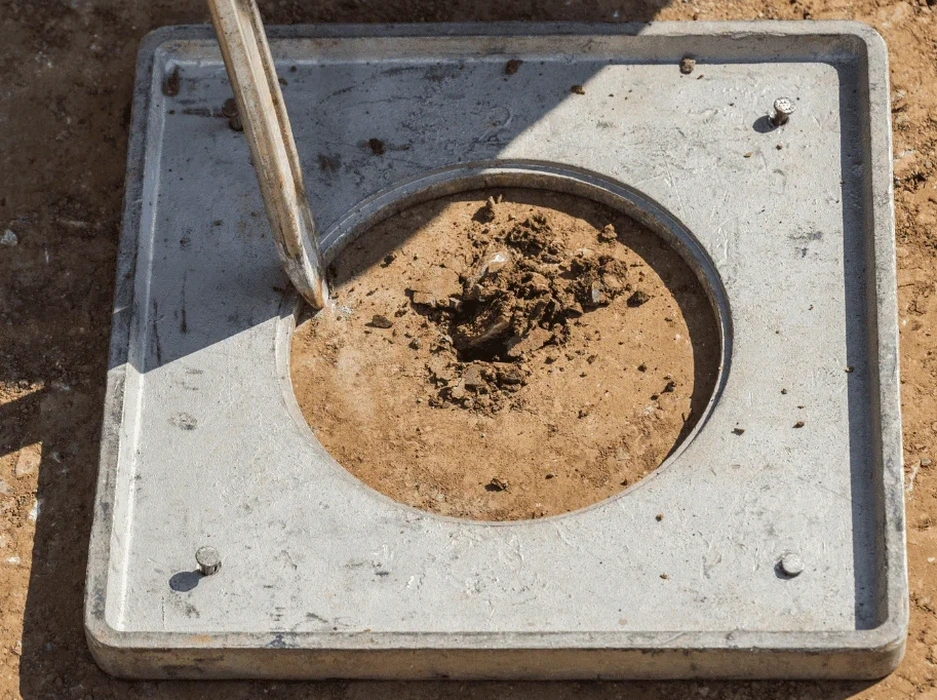
One of the most costly oversights we see in St. John's development is treating the city's subsurface like standard inland terrain. The Avalon Peninsula's complex glacial history left behind a patchwork of saturated marine clays and silty tills that can behave very differently under seismic loading than many engineers anticipate. A standard geotechnical report without a dedicated soil liquefaction analysis leaves your project exposed to a risk that the National Building Code of Canada (NBCC) explicitly requires us to address in regions like this. We run cyclic triaxial and in-situ testing programs through our accredited laboratory to quantify the factor of safety against liquefaction, giving you a clear, defensible number rather than a vague assumption. When a developer on Water Street recently uncovered deep silt lenses at 4 meters, integrating our analysis with CPT testing early on saved them a six-figure foundation redesign later in the schedule.

In St. John's, the trigger for liquefaction isn't just the earthquake magnitude -- it's the thickness and depth of those saturated marine silt layers that a standard borehole log can miss entirely.
Our service areas

How we work

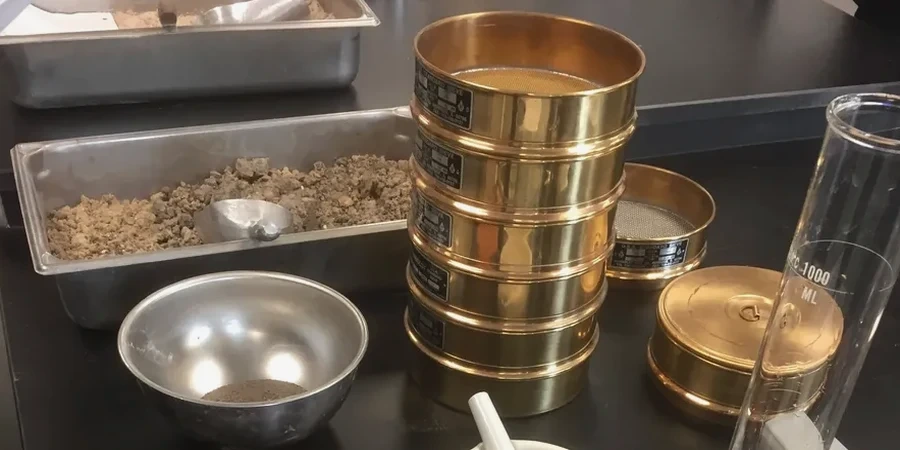
The soil behavior difference between a site up near Pippy Park and one in the lower Waterford Valley can be dramatic, even though they are only a few kilometers apart. The park area often sits on stiffer glacial till that drains reasonably well, while the valley floors frequently contain the post-glacial marine silts and clays that are notorious for retaining water and losing strength during shaking. This is why we never apply a single regional assumption to a liquefaction study in St. John's. Our approach combines borings with Standard Penetration Tests and downhole shear wave velocity measurements, then processes the data using simplified procedures aligned with Seed and Idriss methodology as referenced in NBCC commentary. For sites where the fines content is borderline, we often recommend pairing the standard analysis with grain size distribution testing to confirm the soil classification and refine the cyclic resistance ratio, especially when the client is evaluating ground improvement options like stone columns before construction begins.
Soil Liquefaction Analysis in St. John's Newfoundland
Technical reference — St. Johns Newfoundland

Local geotechnical context

We were called in to review a multi-storey residential project planned on infill near Quidi Vidi Lake where the initial report had only classified the soil and stopped there. The site sat on 6 meters of loose saturated sand over marine clay -- a textbook liquefiable profile. Without a proper analysis, the foundation design was heading toward a conventional spread footing that would have settled differentially during even a moderate regional earthquake, cracking the superstructure and destroying the building envelope. The real danger in St. John's is not just structural collapse; it is the economic loss from post-earthquake settlement that renders a building uninsurable or uninhabitable. Our subsequent liquefaction analysis triggered a redesign with driven piles socketed into competent till, and the project moved forward with full compliance under the NBCC seismic requirements.

Need a geotechnical assessment?

Reply within 24h.

Email: [email protected]

Relevant standards

NBCC 2020 (National Building Code of Canada) Part 4 – Structural Design, Seismic Provisions, CSA A23.3 – Design of Concrete Structures (seismic detailing), ASTM D5311 – Standard Test Method for Load Controlled Cyclic Triaxial Strength of Soil, ASTM D2487 – Standard Practice for Classification of Soils for Engineering Purposes

Typical values

ParameterTypical value
Analysis StandardNBCC 2020 seismic provisions, Seed & Idriss simplified procedure
In-Situ Test MethodsSPT N-value, CPT tip resistance (qc), Shear wave velocity (Vs)
Laboratory TestingCyclic triaxial (ASTM D5311), Grain size distribution, Atterberg limits
Factor of Safety TargetFS ≥ 1.1 to 1.3 per NBCC, depending on structure importance category
Post-Liquefaction AssessmentSettlement, lateral spreading displacement, bearing capacity loss
Ground Improvement OptionsVibrocompaction, stone columns, deep soil mixing evaluation

Questions and answers

How much does a soil liquefaction analysis cost for a typical commercial lot in St. John's?

For a standard commercial lot in the St. John's metro area, our soil liquefaction analysis typically ranges from CA$3,040 to CA$6,280, depending on the number of boreholes or CPT soundings required and whether cyclic triaxial testing is needed on select samples.

Is liquefaction analysis mandatory in St. John's under the building code?

Yes, the NBCC requires it. If your site class is C, D, or E and the soil profile contains saturated sands or silts below the water table, you must evaluate the liquefaction potential. St. John's has extensive post-glacial marine deposits that fall directly into this category.

What type of drilling or testing do you need on our site?

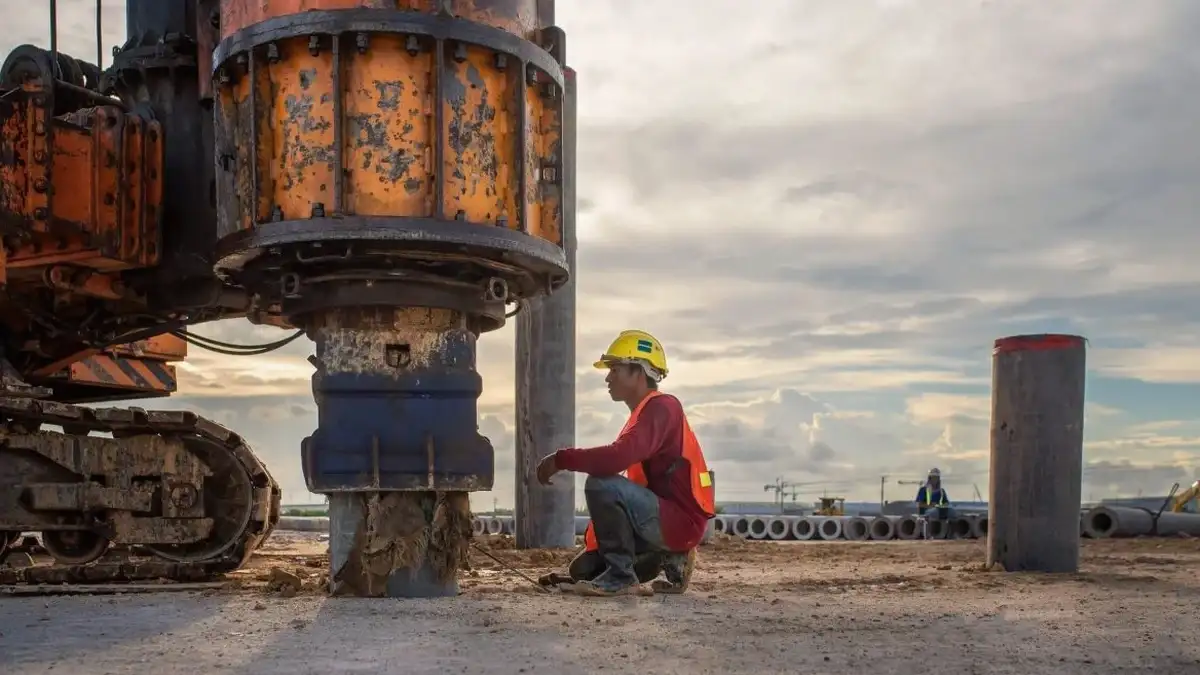
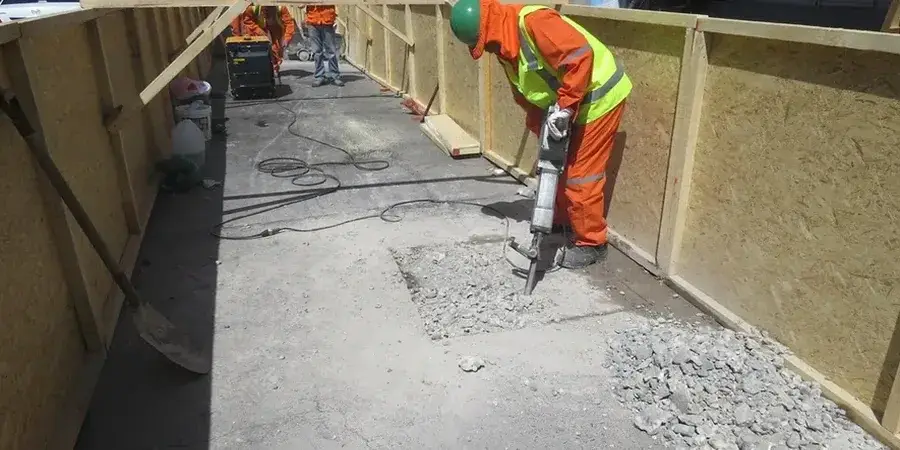
We typically use a tracked drill rig to advance boreholes with SPT sampling at 1.5-meter intervals, or a CPT truck to push a cone continuously and measure tip resistance and pore pressure. The choice between SPT and CPT depends on site access and the depth of the liquefiable layers.

How long does the full analysis take from field work to final report?

Field work in St. John's usually completes in one to three days. Laboratory testing of selected samples adds about two weeks, and the engineering analysis with the final signed report is delivered within three to four weeks of mobilization, assuming no weather delays.

What happens if the analysis shows my soil will liquefy?

We provide a ground improvement or deep foundation recommendation. This could mean densifying the soil with vibrocompaction or stone columns, or bypassing the problem entirely with driven piles that transfer the structural load to competent till or bedrock below the liquefiable layer.

Location and service area

We serve projects in St. Johns Newfoundland and surrounding areas.

View larger map