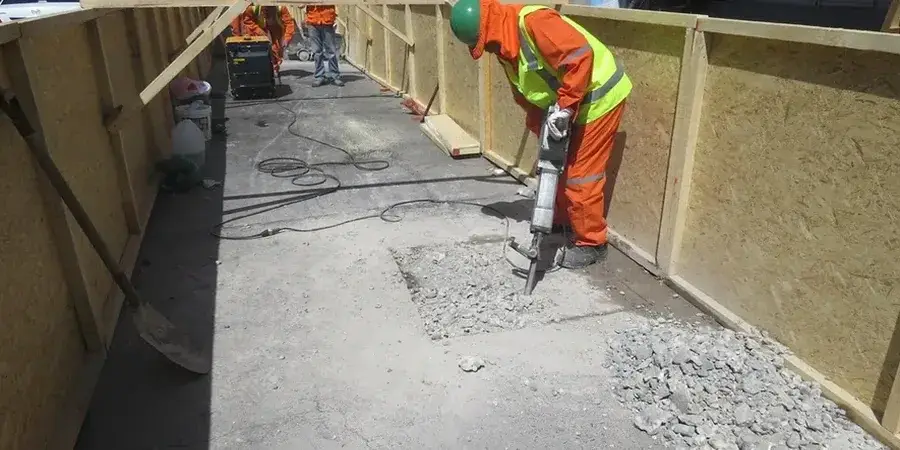
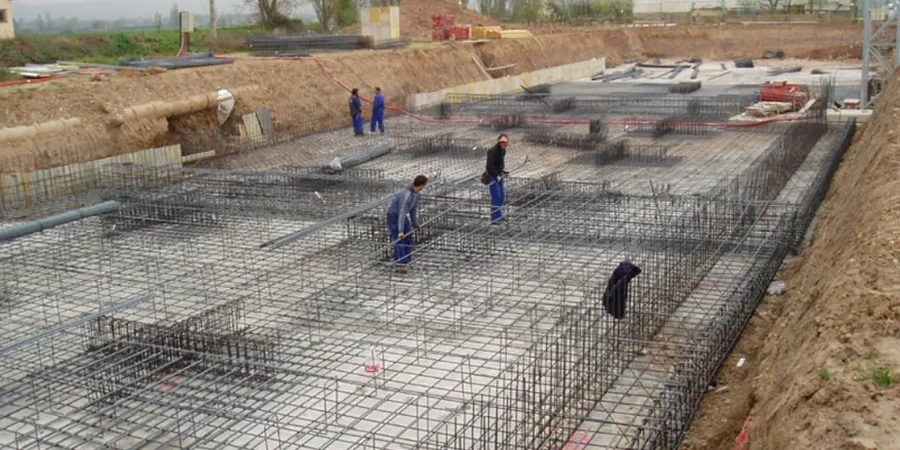
The Avalon Peninsula's geology doesn't mess around. Here in St. John's, you're often within a meter or two of tough Precambrian bedrock or sitting on dense glacial till left by the last ice age. This means shallow foundation design becomes a very site-specific exercise—you aren't dealing with uniform clays like in the mainland. A standard strip footing on the Southside Hills behaves entirely differently than one near the Waterford River floodplain, where silty overburden and groundwater can complicate bearing capacity. Getting the subgrade right before the first pour is just good sense in this city. We usually pair foundation analysis with a test pit program to visually log the overburden and confirm refusal depth, which is often shallower than the contractor expects. When the site is tighter or you need modulus values for settlement calculations, a plate load test on the exposed bearing layer gives you direct, reliable data rather than relying solely on conservative correlations.
Bedrock refusal at 0.9 m doesn't always mean a cheap foundation—eccentricity and frost jacking in St. John's require just as much engineering as a deep clay profile.