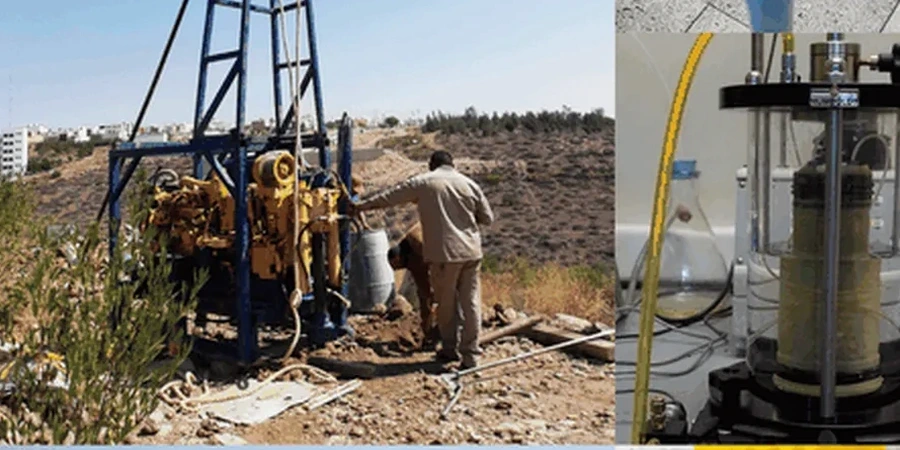
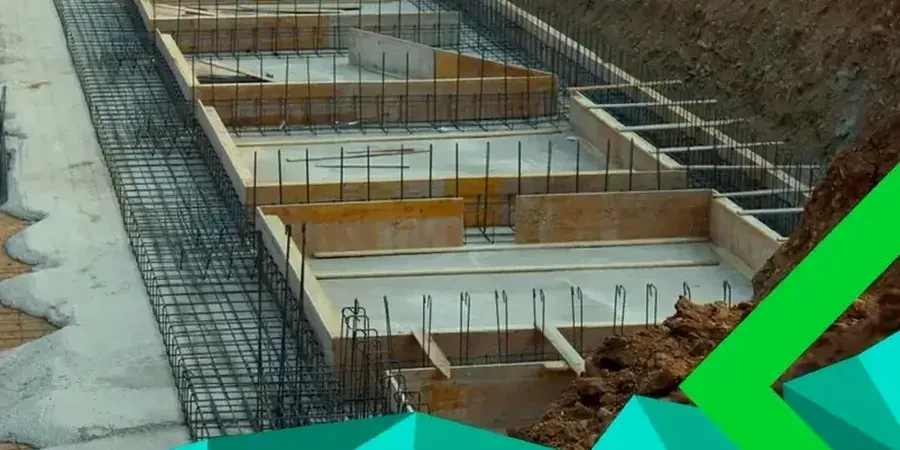
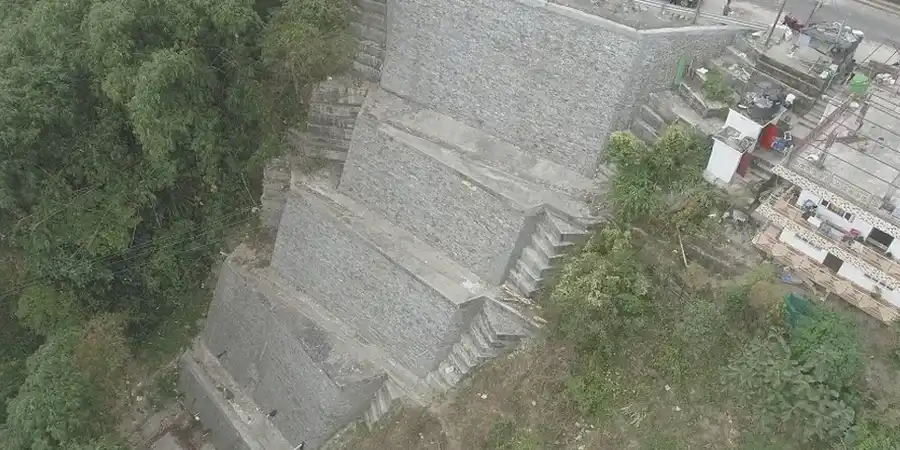
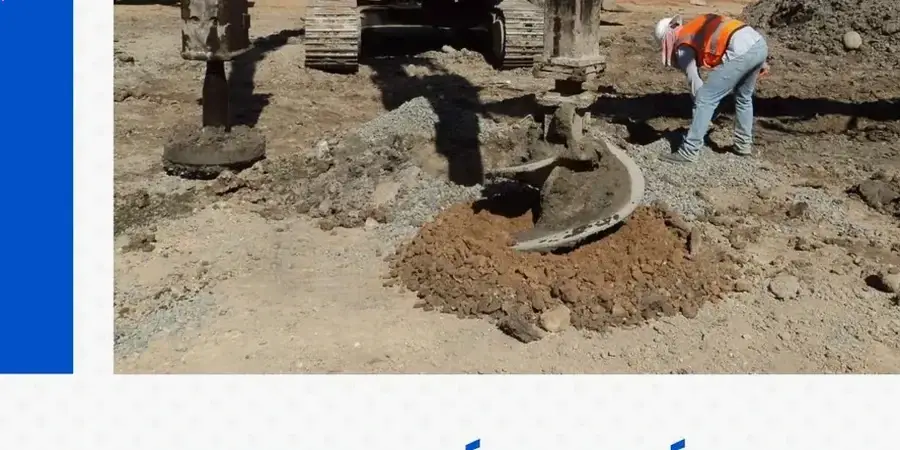
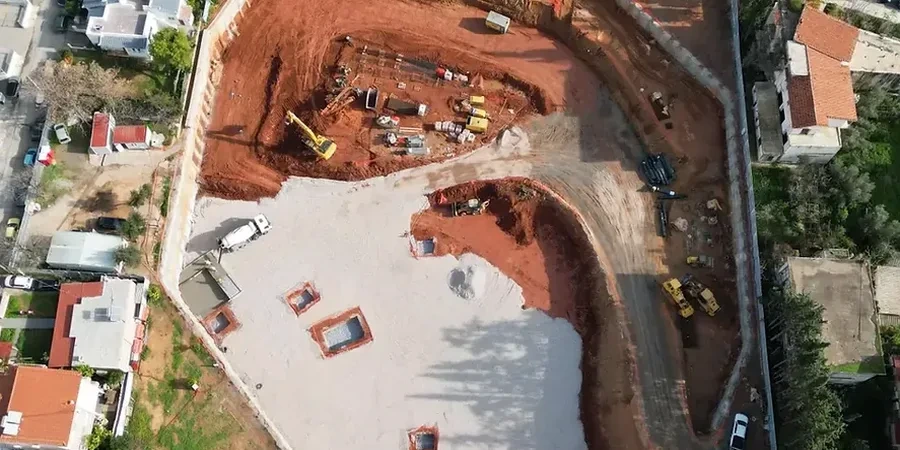
We have seen projects in St. John's grind to a halt because a standard footing design met the city's infamous sulphidic mudstone, turning a straightforward excavation into a heave-prone nightmare. The bedrock across the Avalon Peninsula is not a uniform mass—it folds, shears, and weathers with an intensity that surprises teams accustomed to the Canadian Shield. A proper soil mechanics study here goes far beyond a bearing capacity number; it must decode the interaction between the till veneer, the underlying shale, and the aggressive groundwater regime that fluctuates with the harbour. Our work maps the stress history and consolidation state of these glacially overridden deposits, directly informing foundation decisions that prevent differential settlement before the superstructure leaves the ground. When dealing with fractured bedrock near Signal Hill or the deep marine clays in the outer reaches, we have found that integrating field observations with laboratory strength testing is the only reliable path to a foundation that performs for decades.
In St. John's, the mechanical behavior of the sulphidic mudstone—not the till—dictates foundation performance on most sloping sites.